Naff or not, these ‘giant road Rambos’ tell us much about politics right now

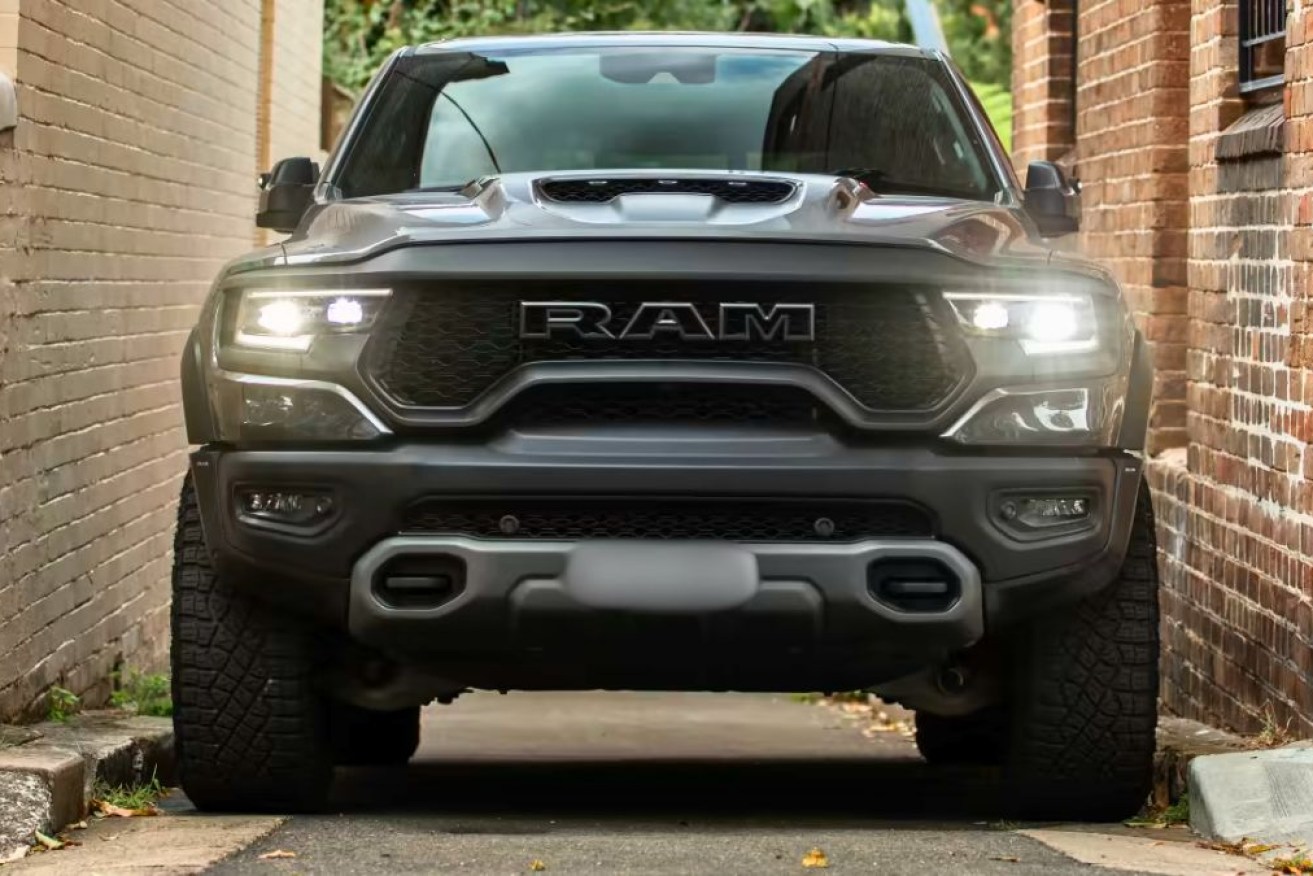
Giant vehicles such as this Chevrolet are illustrative of the rise of the individual.
You can almost trace the rise of political discontent across Western democracies to the increase of big dumb utes on our roads.
This is not about class or the type of person attracted by the road rambos, but what their popularity says about us as societies.
The attraction of these automobile beefcakes is the road dominance they represent. It’s about empowering the individual above everyone else.
They’re taller so you see over the road – who cares that no one can see around you? They take up more lane space so you’re more likely to be able to dictate lane behaviour – who cares about those stuck around you? They’re too big for most car parks, so you get a wide berth – who cares about anyone else inconvenienced, or unable to see past the tray? In a collision, you will most likely be fine – but those in the other car, or pedestrians, cannot say the same.
Road deaths are increasing in Australia. A 500-kilogram increase in vehicle weight is linked to a 70 per cent higher death risk for those in the lighter car. Occupants in giant vehicles may be saved, but there are about 4.3 additional road deaths among others on the road.
Everything about these giant road Rambos screams “me”. We are incentivised to be the biggest on the road to protect ourselves and our loved ones, and everyone else can fend for themselves. And it’s an analogy for where we are as a society.
You can say the same for the rise in LED headlights. Sure, you can see further than ever, but you’re blinding anyone coming the other way.
It’s not hard to see why self-interested politicians have worked to align themselves on the side of Big Dumb Ute. The Morrison government created special tax loopholes that led them to explode in popularity on Australian roads, while fighting off vehicle emissions standards. It was overtly a political strategy – in the 2019 election campaign, Scott Morrison confidently declared Labor was waging “a war on the weekend” by having an electric vehicle policy.
Source: The Guardian
Twenty years ago, Australia’s best selling car was the Holden Commodore. It is now the Ford Ranger. There isn’t a single hatchback in the top five, but you can get an electric Tonka toy, so the weekend remains safe.
We started prioritising the me, over the we, and our taste in cars is the most obvious illustration of the change. It’s no surprise to see the rise of the right in this environment. The neoliberal party is over and, although the ugly lights starting coming on in Australia five years ago, it’s only recently that the harsh light of reality has shown this isn’t just a blip.
People are angry, and when people are angry, finding empathy for others becomes almost impossible – instead, self-protection becomes the priority. That most Australians don’t feel they have room to consider other people’s problems, or the increasing targeting of vulnerable groups, above their own grievances. And the grievance is real. People have a right to feel angry.
Regular readers of this column will know that the warnings of Labor’s failure to meet the moment and what that would mean in terms of the rise of the right have been a major theme since before the last election. Labor has spent the majority of its term in government doing the least possible – and, as predicted, that’s led to the far-right driving right over the top of it.
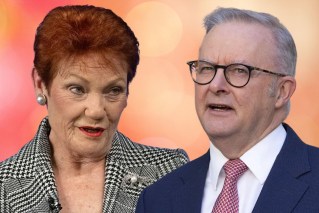
The Liberal Party, the Australian political movement that historically embraced the individual over the collective was so successful in its mission it has driven itself over the cliff. Angus Taylor is at a complete loss over how to deal with Pauline Hanson. He is in the driver’s seat of a car programmed to repeatedly run into a wall, powerless to do anything except brag about how fast it is getting there.
Labor has been coasting, while Hanson and co have run their own race. We’ve seen the first signs The Show has finally noticed it’s the fabled hare in this race, despite cosplaying as the turtle. The union movement is whirring into gear with planned campaigns on Hanson and One Nation’s attacks on workers being rolled out. Labor finished each question time in the past week with its strongest communicator – Jason Clare – defending education, early childhood education, and universities.
After weeks of flailing, with ministers given no more than two lines to defend budget measures (while being reassured that Treasury had “anticipated this pushback”, which must be reassuring to ministers while they’re being hung out to dry on morning TV), a communication strategy has been put in place, while Labor managed to wrestle back the week’s agenda from Hanson by announcing the passage of its CGT tax reforms.
The past week showed some more outbreaks of bravery from Labor ministers, who stopped letting the media cycle define their responses. But there is so far to go and Labor is yet to show it understands the bigger issues.
Labor has spent the past 20 years fighting the left. It vacated the ground, and crushed any who would seek to fill it, by following the right playbook of labelling it irrational, nonsensical or a fantasy.
Now, we have a stressed population, conditioned to think of itself as individuals rather than a community, reacting predictably to measures that seek to address a collective problem, above individual wealth.
Tracing our taste in cars – and what it means more broadly – might seem like a naff way to view politics. But that we are in an arms race to take up as much space on the road as we can, even as it destroys the infrastructure we collectively built, and puts others in greater danger, is one of the easiest ways to understand politics at the moment.
Reversing that trend is going to take a lot more than winning one week in parliament.
Amy Remeikis is a contributing editor for The New Daily and chief political analyst for The Australia Institute
Want to see more stories from The New Daily in your Google search results?
- Click here to set The New Daily as a preferred source.
- Tick the box next to "The New Daily". That's it.




Labor on offensive as poll delivers record low blow