Equinor abandons plans to drill for oil in Great Australian Bight
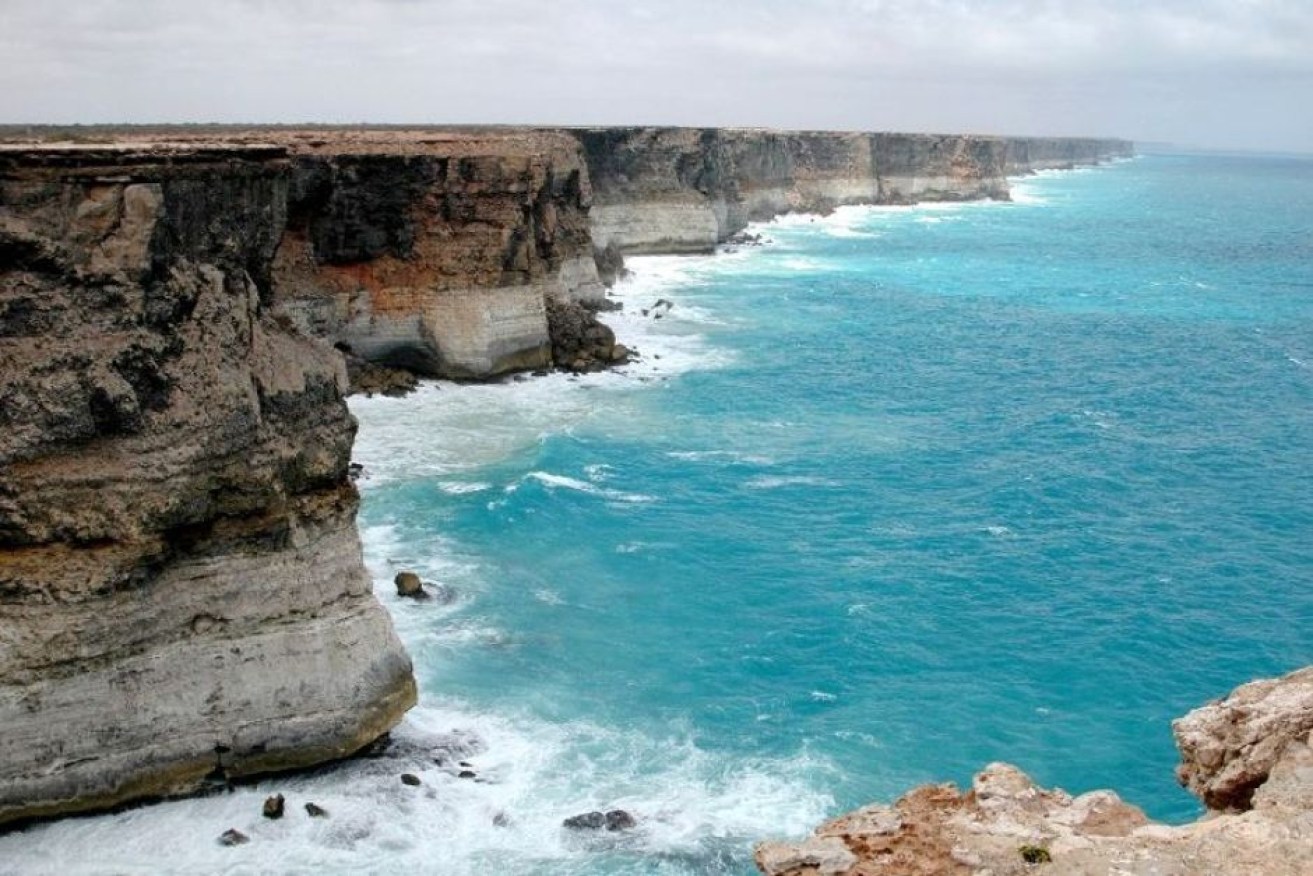
Equinor is the third company to plan to drill in the Great Australian Bight, and then abandon the idea. Photo: ABC
Norwegian company Equinor has become the third major fossil fuel producer to abandon plans to drill for oil in the Great Australian Bight.
The company said it had concluded that its exploration drilling plan was “not commercially competitive” compared with other exploration opportunities.
In December, Equinor was granted environmental approval to drill 372 kilometres south of the Nullarbor coastline, despite protests from environmentalists.
BP abandoned plans to drill the bight in 2016, with Chevron following suit in 2017.
Equinor said it made its decision after a “holistic review of its exploration portfolio”.
“We will engage with the federal and state authorities regarding our decision to discontinue the exploration program,” the company’s manager for Australia, Jone Stangeland, said in a statement.
“We hold an exploration permit offshore Western Australia and will maintain other ongoing interests and activities in Australia.”
Last month, the Wilderness Society launched legal action against the national regulator – the National Offshore Petroleum Safety and Environmental Management Authority (NOPSEMA) – after it granted conditional environmental approval to the project.
The environmental approval would have allowed the company to drill 24 hours a day for about 60 days between November and April in either 2020-21 or 2021-22.
Drilling in the bight has been fiercely opposed by environmental groups concerned about the threat of a catastrophic oil spill, and both Greenpeace and the Wilderness Society have welcomed the development.
“It’s been obvious for a long time now that the people of Australia are very concerned about proposals for deep-sea drilling in the bight,” society director Peter Owen said.
“This is fantastic, it’s great to see Equinor following the responsible lead of BP, Chevron and withdrawing from proposals to drill in the bight.”
Greenpeace described it as an “incredible win” for “coastal communities, Indigenous traditional owners, surfers, the seafood industry, tourism operators and other local businesses”.
“The only way to protect coastal communities and the Great Australian Bight’s unique marine life is to rule out drilling permanently,” Greenpeace Australia Pacific chief executive officer, David Ritter, said.
Equinor’s own modelling showed that a worse-case scenario oil spill in the bight would see oil stretching as far west as Albany in Western Australia, to Port Macquarie in NSW.

Opponents of the plan turned out for a “paddle protest”. Photo: Katie Webb/Twitter
Government supportive of future exploration
Federal Resources Minister Keith Pitt said the company’s decision to withdraw was “disappointing”, but expressed support for future exploration in the bight.
“Equinor has made it clear this was a commercial decision,” he said on Tuesday.
“I know many will find Equinor’s decision not to proceed with this oil exploration project in the Great Australian Bight extremely disappointing, and it is particularly hard for South Australia.
“The Liberals and Nationals government remains committed to encouraging the safe development of Australia’s offshore petroleum resources.
“The Bight Basin remains one of Australia’s frontier basins and any proposals for new oil and gas fields in this area will be assessed fairly and independently.”
Kangaroo Island Mayor Michael Pengilly, who supported the company’s plan, said the business case did not “stack up”.
“I’m sure someone else will do it – I’m quite convinced that this won’t be the end of oil or gas drilling in the Great Australian Bight,” he said.
“Bearing in mind initially it was a test hole anyway, to see if there was anything there, but clearly the costs of doing that have outweighed any potential benefits, and they’ve decided not to do it.
“I didn’t have an issue with it at all, it was in the hands of the independent regulator. And if they’d gone ahead and found gas or oil it would have been in the national interest in my view.”
Mr Pengilly described opposition to the project as a “fear campaign” but conceded some island residents did not support it.