Fears for galahs, corellas, cockatoos after ‘mass’ bird flu deaths
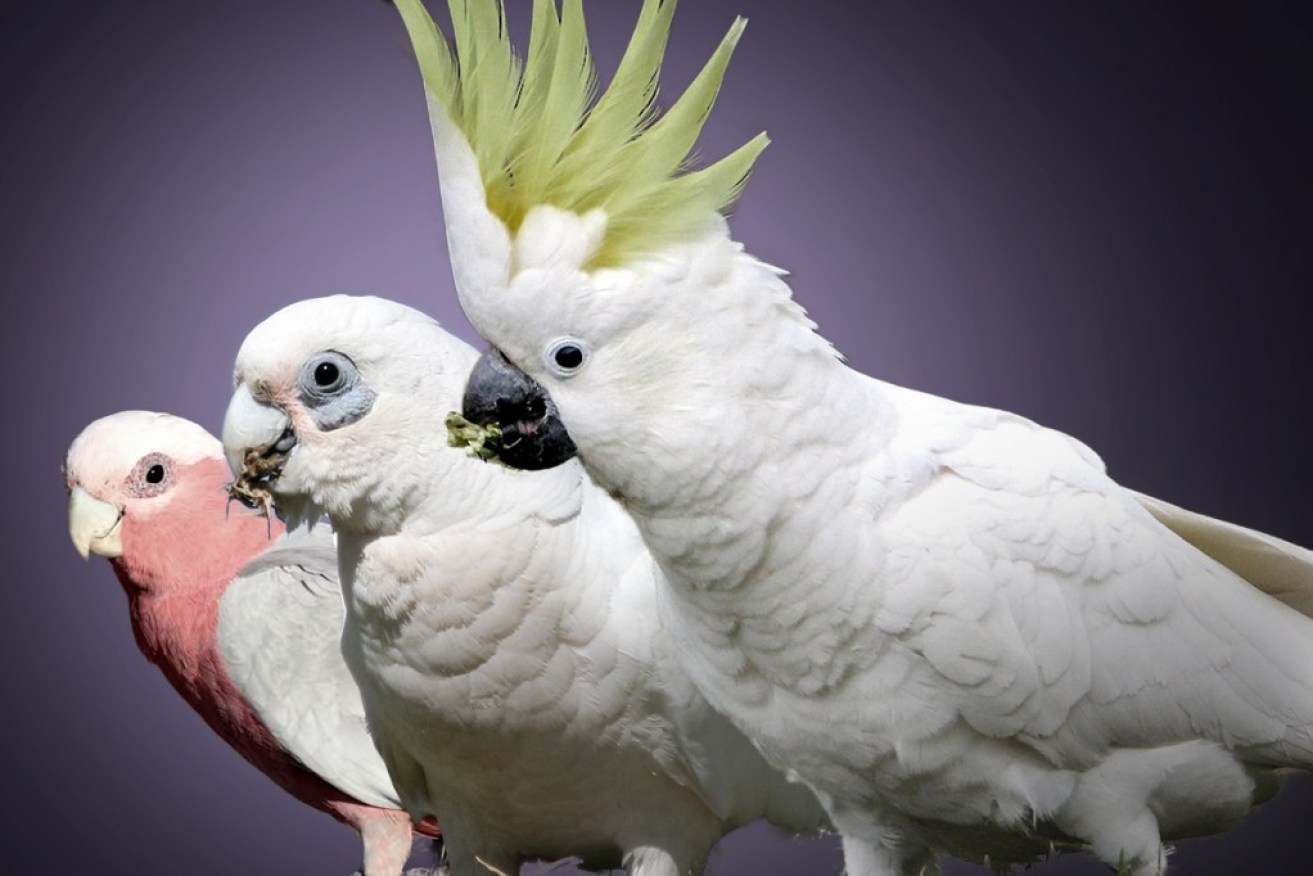
Concerns for SA's flocking bird species are rising as bird flu cases increase. Graphic: James Taylor / InDaily
Fears are growing for native wildlife following a mass-mortality event linked to the H5 bird flu, with a bird expert saying species that flock together are under greater threat.
Over the weekend, a mass bird flu outbreak was detected in South Australia’s south-east, with more than 80 dead and sick birds found off an island called Baudin Rocks.
Invasive Species Council senior advocate James Johnston said the increase in cases and mass deaths were “a huge worry for our native wildlife”.
“This is going to rapidly spread inland. It’s now going across species, so it’s not just in the greater crested tern – it is now in seagulls,” Johnston said.
“It won’t take much to spread to our native wildlife as well as other bird species.”
Samples were collected after 49 dead birds and 35 sick birds were found following aerial surveillance efforts in SA last Friday, while a confirmed detection in a seagull was found in Robe.
There are currently 42 confirmed cases and 65 suspected positive cases in the state, mainly in greater crested tern and migratory seabird populations.
Johnston told InDaily the most at-risk species lived in colonies, raising fears for native species including galahs, corellas and sulphur-crested cockatoos.
“Those populations of birds that flock and that live in colonies, they’re in contact with a lot of other birds, so they’re probably the most at-risk species,” Johnston said.
“Seagulls, migratory birds and seabirds are at big risk, but we don’t yet know the impact on species like corellas and galahs.
“But any population of Australian native bird that flocks like those, it could be quite detrimental to those populations.”
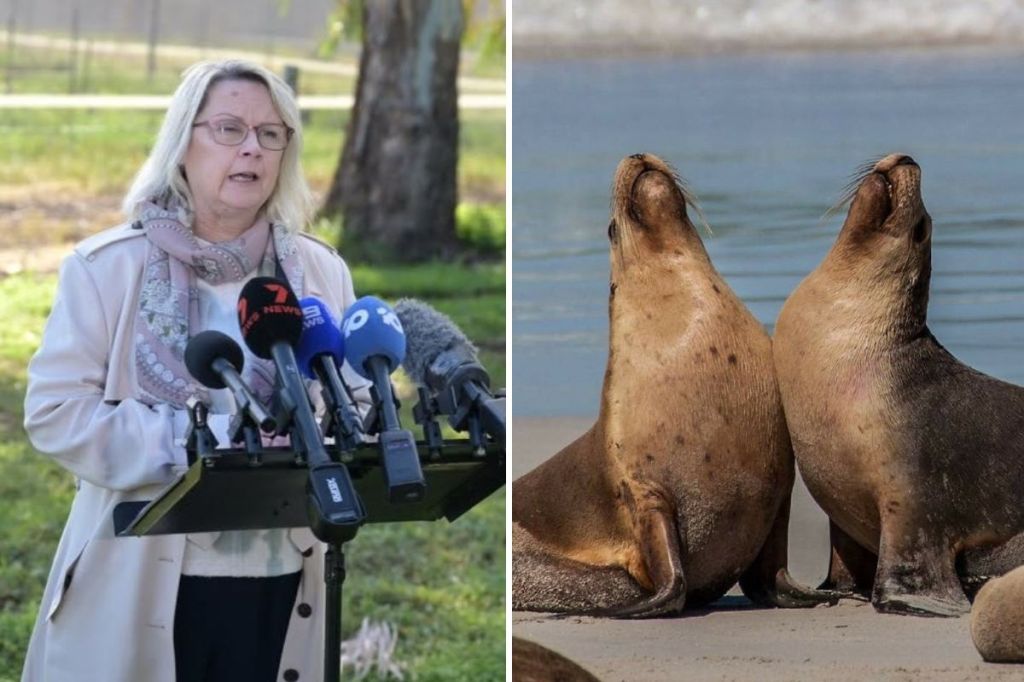
SA Primary Industries Minister Clare Scriven recently confirmed on-the-beach tours of Seal Bay were being halted over bird flu concerns. Photos: Facebook / Kangaroo Island
Concerns have also been raised for Kangaroo Island’s endangered sea lion population at Seal Bay, which is vulnerable to the deadly bird flu.
Australian Marine Conservation Society campaigns director Alexia Wellbelove said the Australian sea lion population “cannot absorb the kind of losses” that bird flu has inflicted on marine mammals overseas.
“In South America, this virus killed 30,000 sea lion pups in just six months following transmission from birds to marine mammals,” she said.
Johnston has called for the government to implement a resilient package to “relieve as much pressure from our wildlife populations as possible”.
“That means removing invasive species threats like cats and foxes, and it also means making sure that there is enough water in wetlands so that they’ve got the best breeding conditions for some of our migratory birds,” he said.
“These are the practical, pragmatic, tangible issues that government can do to tackle this issue.”
SA chief veterinary officer Skye Fruean told ABC radio on Monday morning the number of suspected bird flu cases had mainly impacted species in the Kangaroo Island and south-east regions, but there were concerns of the virus spreading inland particularly now a seagull was in the body count.
“Every case is concerning. We do know it is going to spread into other species; silver gulls, of course there are many of them and they do travel just about all over our state,” Fruean said.
“At this stage we only have that very small number confirmed but, of course, we do expect that to rise and that would be a concerning development for sure.”
Fruean said confirmation results were still being awaited from the mass mortality event, with samples having been sent to the CSIRO’s Australian Centre for Disease Preparedness in Geelong over the weekend.
Federal Environment Minister Murray Watt also warned on Monday that the spread of the virus would be confronting and cause significant damage to Australian wildlife.
“I want to level with people – this is the beginning of what is likely to be a long, difficult journey in terms of the impacts of wildlife,” he said.
“The reality is you can’t stop native and wild birds flying around, you can’t stop wild animals moving around, and that will mean more mass mortality events like the one we have now seen.”
Australia is also at the beginning of the migratory season, where tens of millions of seabirds such as shearwaters and shorebirds travel from the northern hemisphere to either breed or rest over the summer.
Watt said a list of Australian wildlife species most at risk would soon be released.
There is no evidence of the virus having yet spread to poultry or agriculture, but federal Agriculture Minister Julie Collins has not ruled out the inevitability of its spread.
“You do tend to see spillover impacts across the globe when it comes to the H5 (bird flu),” she told reporters in Canberra.
–InDaily, with AAP
Want to see more stories from The New Daily in your Google search results?
- Click here to set The New Daily as a preferred source.
- Tick the box next to "The New Daily". That's it.



Labor to stop ‘visa hopping’ in migration crackdown