Real estate lobbyists help deliver win for Coalition

Scott Morrison isn’t the only one celebrating his campaigning success this week.
Adrian Kelly, the president of the Real Estate Institute of Australia, might not be as well known as the Prime Minister, but he’s the man behind the effective campaign that shredded Labor’s negative gearing policies.
“I have no doubt that it made a difference,” he told The New Daily.
The Grattan Institute labelled it a “breach of trust”, tenants’ advocates slammed it for being “dirty”, but the REIA claims their campaign on Labor’s negative gearing policy helped hand the Coalition government.
“We ended up reaching 11 million Australians – I have no doubt that it had an effect on the election,” he said.
“I suspect that before the campaign started, not too many Australians knew what negative gearing and capital gains tax were.
“They definitely did by the end, which I think goes to show what can be achieved by collaboration.”
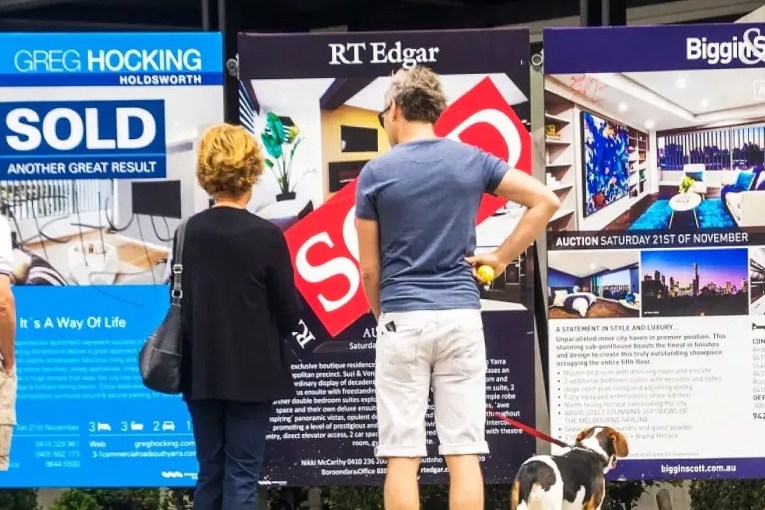
While Labor tried to woo voters with an agenda designed to make housing more affordable for first homeowners, the REIA and Property Investors Professionals of Australia (PIPA) teamed up with real estate agents across the country to target investors and tenants.
Their key message was simple and easy to understand: Labor’s plans to wind back negative gearing and reduce the capital gains tax discount would reduce property values and raise rents.
Grattan Institute’s budget policy and institutional reform program director Danielle Wood said while they can’t be sure about the exact impact, she “fears it was effective”.
“It was abuse of a position of trust, it was a campaign in their own self-interest and I think a lot of the claims weren’t substantiated,” she told The New Daily.
“When you’re getting that message from real estate agents, you might not be sure of the impacts and think, why take the risk.
“Anyone that didn’t have a direct self-interest in the outcome of the policy had different numbers.”
While it’s hard to quantify how much the campaign helped hand Mr Morrison a second term, the ads would have had an impact, says Dr Andrew Hughes from ANU.
“Labor left the door open for misinformation campaigns, had they come out and been clear it would have closed the door on the negative campaign,” he told The New Daily.
“Instead the door was left open for the REIA to come in and go this is what it means. And people went, ‘This is easy to understand’. It may not have been the most accurate information, but that doesn’t matter because people could digest it.”
The onus though is on Labor, says Dr Hughes.
“For REIA to say it was them, as much as they might want to take credit, that’s not the case at all. It was Labor’s campaign to lose and they did.”
Clean campaign
While the material never specifically mentioned Labor, it warned that a change in government would be detrimental.
Mr Kelly said they tried to reach out to the Labor Party several times, but had the door closed in their faces.
“We tried to run a clean campaign, we tried to make the messaging consistent and data-based. But you know politics is a filthy world sometimes, especially in those last few days,” he said.
“It’s a shame we had to run the campaign that we did, it got pretty nasty and that was unfortunate.”
Tenants Union of NSW senior policy adviser Leo Patterson Ross said while the campaign was “dirty”, it wouldn’t have had much impact with renters.
“Certainly it unsettled people, but whether it changed the outcome of the election, I don’t think there’s evidence for that.
“It was very dirty and really playing on people’s insecurities around rent increases and instability of housing. There wasn’t really a correlation around renters voting for them … I think most renters saw through it.”
Throughout the election campaign, a lot of the modelling on the impact of Labor’s policy was contradictory.
A controversial report from SQM said Labor’s policy would push prices down a further 8 per cent, while the NSW Treasury predicted prices would barely move.
Chief economist at Ernst and Young, Jo Masters, says the policy would have no doubt impacted house prices – as that’s what it was designed to do – but by how much, is anyone’s guess.
“The answer is we just don’t know. The modelling is varied, some said it knocks a few percentage points off to 20 per cent, the honest answer is we just don’t know. But we know that it was designed to bring prices down so it would have weighed on the market.”