Time for Australian cities and regions to grow up and move out

It’s time for Australia to grow up and move out according to a new report on the challenges faced by our expanding cities and regions.
Titled Building Up and Moving Out the report, tabled in Parliament in recent days, depicts a nation in the midst of “rapid change” with growing numbers of people flocking to cities and urban centres.
The culmination of a parliamentary inquiry into the government’s role in the development of cities, the report warned of the dangers of failing to adequately plan for the future of growing metropolises and regions.
It calls for a “national vision – a national plan of settlement”.
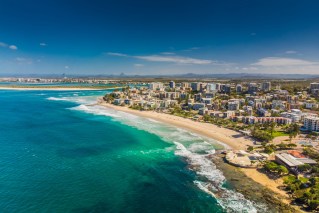
Population growth, urbanisation, an ageing population and the transformation of the economy towards “service and knowledge based industries” are causing “profound changes in the urban and regional landscape,” the report found.
“The outcome of these changes will depend on how they are managed.”
Australia’s political leaders have failed to adequately plan for the current level of demand in the cities, it found.
“In recent decades, there has been no plan for how to accommodate the growth in our cities and population.”
The report made 37 recommendations including that the federal government work to address the NBN’s “capacity constraints”, develop a “clear trajectory to continued carbon emissions reduction”, and create a high speed-rail network linking east coast cities.
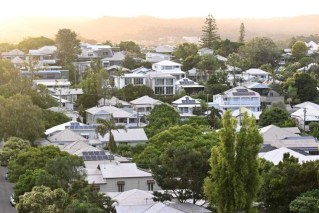
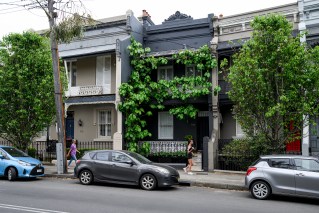
Better urban and spatial planning, including a greater mix of high and medium density housing, was pinpointed as key to the future health of our cities.
The need for the developing and connecting regional areas was also highlighted.
Housing affordability
Australia’s largest two cities, Sydney and Melbourne, are currently in the grips of a “housing crisis” that is “threatening their social sustainability”, the report said.
Much of the blame was attributed to population growth.
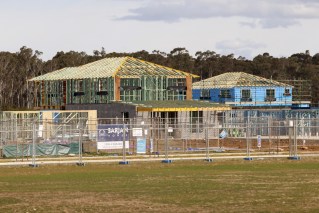
“Evidence to the inquiry suggested that rapid population growth –decoupled from land release, housing construction and job creation – is jeopardising Australians’ access to appropriate and affordable housing.”
Among the possible solutions to the “complex” issue of housing affordability and supply was that the federal government appoint a dedicated housing minister.
The portfolio areas of cities and urban infrastructure have been relegated to the outer ministry in the Morrison government.
University of Sydney economist and housing expert Peter Phibbs said the recommendations were “uninspiring”.
High home prices have been largely fuelled by the banks as “the price of housing depends on the supply of finance”, Dr Phibbs said.
“If you want to stop double-digit price growth you’ve got to regulate the banks so it’s not open season,” he said.
“We’re an international case study of how finance policy can change the housing markets.”
Lobby groups across the property industry also weighed in on the findings.
Housing Industry Association executive director of industry policy Tim Reardon supported the creation of a senior minister of housing.
“[It’s] a necessary step to improving the efficient delivery of shovel ready residential land, coordinating the infrastructure to support new communities and addressing our housing affordability challenges across the country,” he said.
Property Council chief executive Ken Morrison described Australia’s current “fragmented governance” of its cities as “a major weakness”.
Prime Minister Scott Morrison has supported recommendations for “master planning at a national level” and the formation of city commissions similar to the Lucy Turnbull-helmed Greater Sydney Commission.
Australian Institute of Landscape Architects President Linda Corkery also backed an urban planning system that promotes “high quality natural and built environments, as well as more accessible, liveable and healthy quality of life in our cities”.