Kiwi super fund renounces all fossil-fuel investments
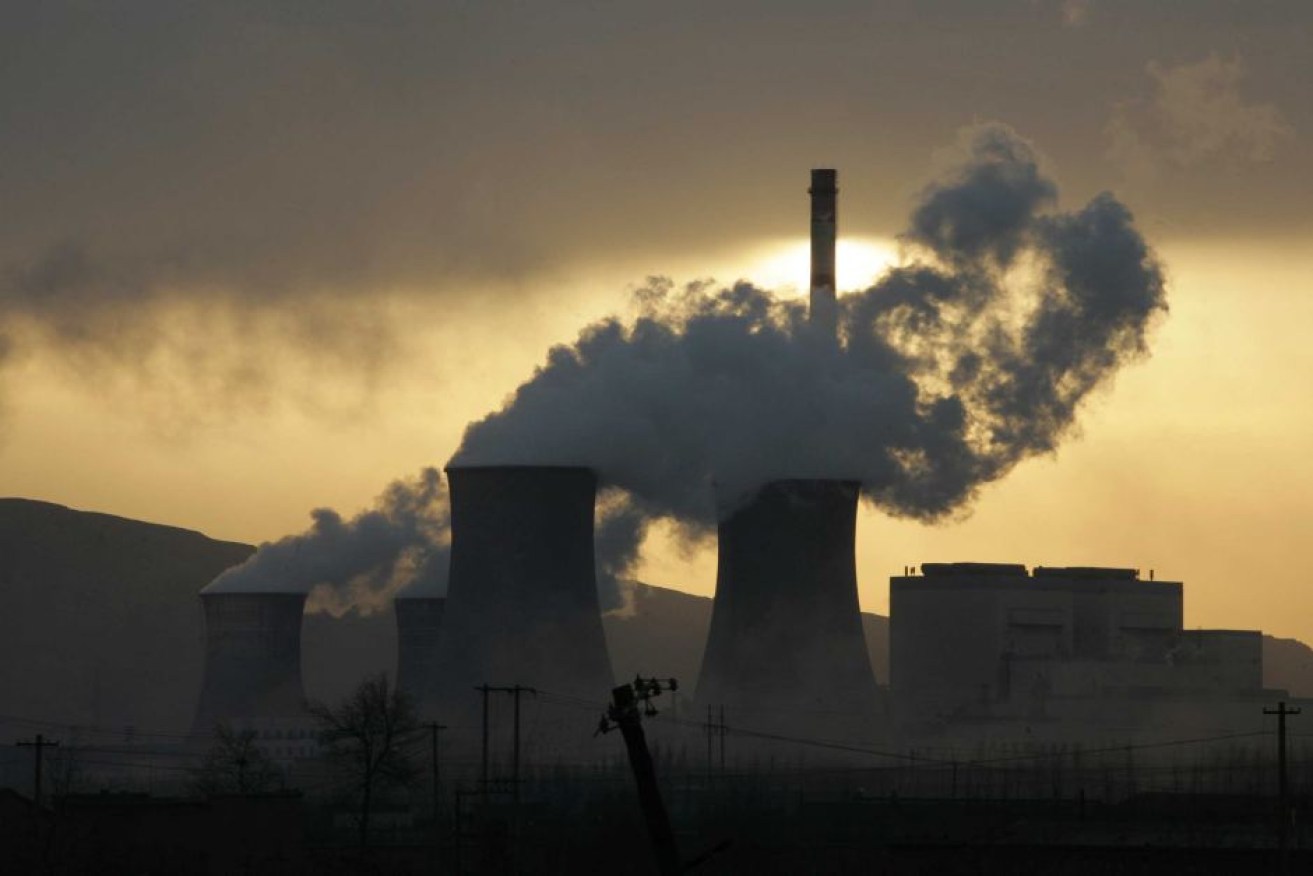
Australia now exports more fossil fuels that German'y entire domestic output. Photo: Getty Photo: Getty
The New Zealand government is ring-fencing billions of dollars from fossil fuels investment, effectively divesting much of the country’s superannuation scheme.
Advocates are urging the Australian government to do the same, following a worldwide trend towards divestment.
On Sunday, Commerce Minister Kris Faafoi announced the country’s ‘KiwiSaver’ accounts would be going green. From next year, default funds will no longer be able include ‘fossil fuel production’ companies in their portfolios.
“This reflects the Government’s commitment to addressing the impacts of climate change and transitioning to a low-emissions economy,” Mr Faafoi said.
“It also makes sense for the funds themselves, given that there is a risk of investing in stranded assets as the world moves to reduce emissions.”
KiwiSaver is New Zealand’s superannuation-style scheme, in which Kiwis are encouraged to put a fraction of their income in a savings deposit, which is then topped by employers and the government.
The decision will impact the 690,000 Kiwis remaining with their default provider, which each invest somewhere between 0.49 per cent and 2.4 per cent of their portfolio in fossil fuels.
At the end of 2019, there were 2.9 million KiwiSaver accounts in total, with a total value of $NZ59 billion ($A56.5 billion). New Zealand has already changed the rules on its $NZ47 billion ($A45 billion) Superannuation Fund, which supports the country’s pension system.
That decision, in 2017, removed more than $NZ3 billion ($A2.9 billion) from fossil fuel-related stocks “without negatively affecting performance” according to Mr Faafoi.
“Moving away from investments in fossil fuels doesn’t have to mean lower returns.”

Many ethical funds are eschewing investment in fossil fuels in favour of clean, green renewables. Photo: Getty
Simon Sheikh, chief executive officer of Future Super, Australia’s first fossil fuel-free super fund, said the decision would safeguard the investments of New Zealanders.
“They’ve taken a moral stand but also an important risk stand,” he said.
“The decision is going to protect New Zealand savers, and it’s the same sort of protection that Australians should be looking for.”
With around $A12.2 trillion in funds worldwide that have pledged to sell out of fossil fuel assets, Mr Shiekh said the Australian government should change its own settings to do similarly.
“It makes sense because the vast majority of Australian superannuation savers don’t want to invest in fossil fuels but they unwittingly do,” he said.
“The government has been rather unconcerned … but regulators have all expressed strong concerns about the impact that climate change on Australia’s financial systems.”
The New Zealand Greens, part of the coalition government run by Prime Minister Jacinda Ardern, claimed the decision as a “big Green win”.
The opposition National party attacked the decision, with finance spokesman Paul Goldsmith saying the government was “tinkering around the edges and indulging in virtue signalling”.
-AAP




‘Super pest’ detected in Sydney warehouse