Why mundane ‘restock content’ is soaring on social media
Social media has made home order engaging.
There are few things a good influencer can’t turn into engaging content. Social media has made even the smallest aspects of our daily lives entertaining and “aesthetic”.
Viral trends have developed around what we might consider boring, mundane tasks, such as restocking the refrigerator or cupboards.
In a recent paper, we explored the appeal of restock content on social media. We analysed a small sample of Instagram posts in this genre, looking at the footage, captions and comments from viewers.
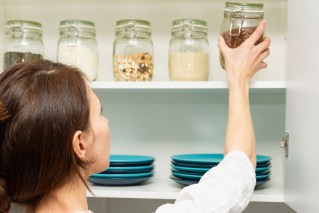
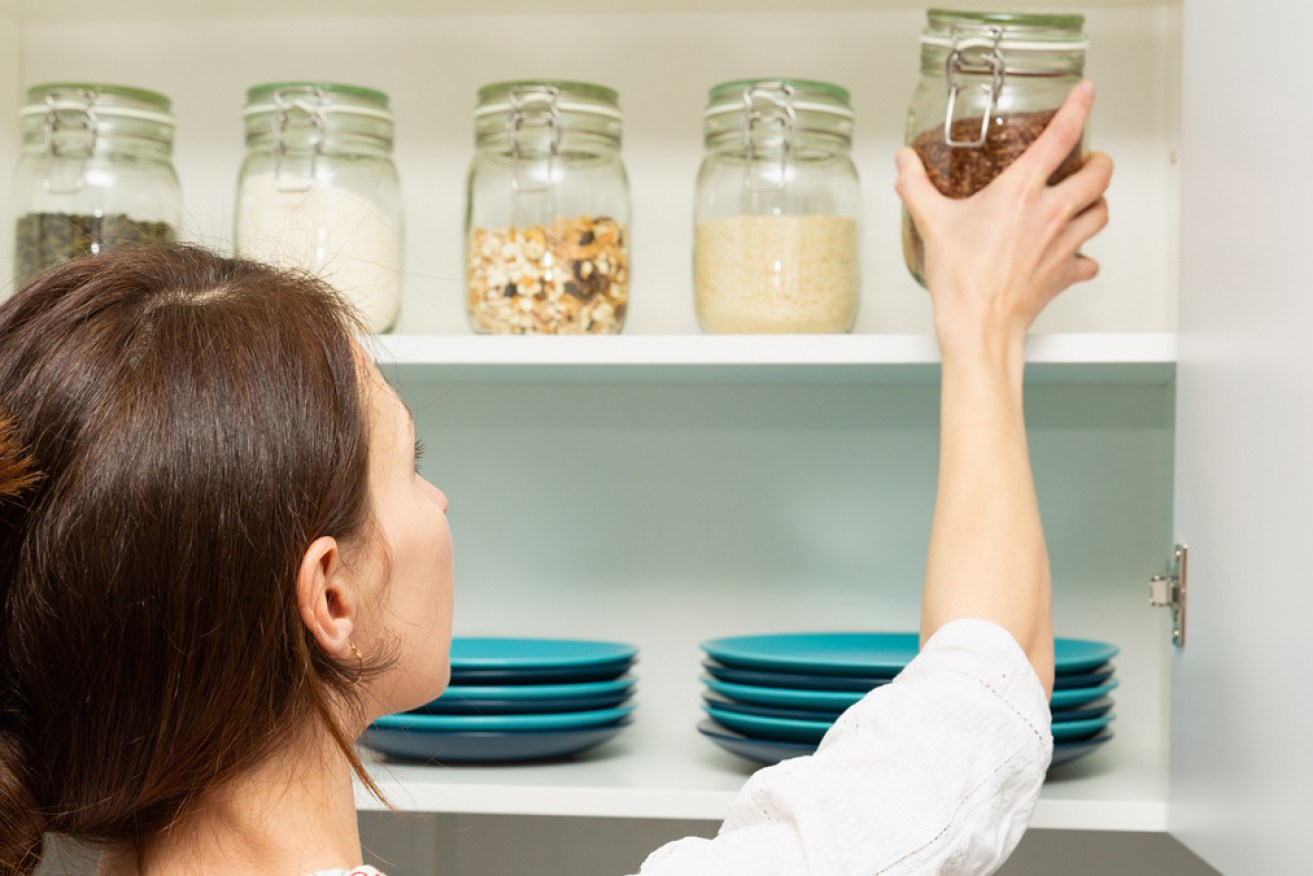
A typical restock starts with the fridge, bathroom cabinet or pantry where the restocking will take place. It then cuts to a first-person view of a hand replenishing a series of (usually transparent) containers. The video ends by showing the neatly-organised, aesthetically-pleasing jars and bins filled with delicious snacks or cleaning supplies.
Like much influencer content, the ultimate purpose of many of these videos is to make their creators money through advertising revenue. In the words of YouTuber Hannah Alonzo, they “showcase attention-catching products that the viewer then feels they need in order to improve their life in some way”. Restock videos can be used to promote the purchase of both the products being organised and the bins organising them.
This content might inspire followers to make similar purchases to achieve their desired lifestyle. Indeed, research has found that posts promoting consumption can lead to viewers purchasing products, especially when there is an element of aspiration to the content.
The popularity of restock social media depends on both its aspirational content, and the appealing footage where sounds and colours grab the viewer’s attention.
The products themselves are chosen for their visual appeal: brightly-coloured laundry detergent pods, canned beverages organised by colour, and so on. Storage options such as reusable, refillable containers may seem environmentally sustainable. However, some commenters criticised the practice of moving products out of original packaging for no clear reason other than aesthetics.
Some comments on the videos suggested that viewers saw the content as encouraging or glorifying overconsumption. Many questioned the necessity of so many containers and bulk quantities of products.
Videos are high resolution and heavily edited. Sound, added or edited post-production, provides a sonically pleasing and “tingling” effect called ASMR (autonomous sensory meridian response). ASMR and other sensory videos have become their own popular genre online.
Our research suggests that, in addition to documenting a desirable lifestyle, these videos can also subtly promote a gendered division of household labour. Like most content created by lifestyle and parenting influencers, restock content is largely produced for and consumed by women.
The posts we analysed mainly showed wives and mothers organising their family homes. Restocking itself is not a gendered activity – everyone needs to replenish their supplies. But tags like #OrganizedMum and #MomLife – typical of restock videos – suggest that this aspect of household organisation and labour largely falls to women.
There is also a gendered element to the consumption behind “RestockTok”. A 2020 Fawcett Society survey reported that 37 per cent of women who live with a male partner are responsible for household spending decisions, compared to 22 per cent of men. This is particularly interesting in this context, given that a 2020 report found female influencers contribute to 84 per cent of the industry, but earn, on average, US$128 (A$185) less than their male counterparts per post.
A new type of authenticity
Authenticity – the idea that someone is being their “true self” or showing their real life – has long been seen as the secret ingredient for a successful influencing career. Research suggests that what distinguishes creators who are successful from those who are not is the former’s ability to produce content that appears credible (although it requires a lot of make-believe).
Restock videos are part of an increasingly popular wave of content that suggests what feels “authentic” online is changing. Scholars have coined the term “emergent authenticity” to describe the gradual acceptance, over the years, of carefully crafted personas and clearly sponsored posts as “genuine” on social media platforms.
Additionally, influencing typically relies on viewers constructing parasocial relationships, where fans feel as if they “know” the influencer. Those relationships form more easily if the creator is seen as authentic.
But some of the most engaging restock posts are “POV”-style clips. The creator barely appears, prioritising immersive experiences over the influencer’s personality.
Use of anonymous (faceless) shots gives viewers the impression they are actually going through the organising and storing process themselves. Restock influencers show everything from a first-person perspective, making viewers feel intimately involved in what is happening.
This is part of a wider change taking place on social media. Restock content overlaps with cleanfluencers who share home cleaning tips and routines online. Some of the influencers in our study fit into both categories. The recent rise of CraftTok videos (focused on arts, crafts and DIY activities) sometimes use similar POV-style clips and ASMR-style strategies.
All of these trends challenge the assumption that becoming a well-known influencer means being easy to identify with, aspirational and visibly “yourself” on camera. While this kind of content still exists, restock videos and satisfying, ASMR-style organisation clips treat authenticity as a feature of the viewing experience rather than an aspect of the emotional connection with creators. Instead of offering relationships that feel real and relatable, they give the viewer experiences that feel real and relatable because they are immersive.
Helen Ringrow, Associate Professor in Contemporary Discourse, University of Portsmouth and Giorgia Riboni, Associate Professor of English Language, Translation and Linguistics, Università di Torino
This article is republished from The Conversation under a Creative Commons license. Read the original article.