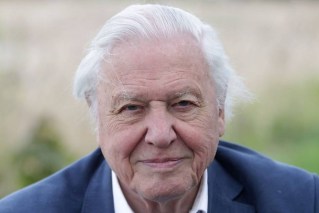
Jane Goodall’s cause of death revealed

Source: Forbes
US media reports have revealed what killed conservationist Dr Jane Goodall after she was found dead in her sleep.
Goodall died earlier this month aged 91 in Los Angeles while travelling on a speaking tour.
TMZ broke the news on Tuesday (AEDT) that her death certificate listed cardiac arrest (cardiopulmonary arrest) as the cause of the celebrated scientist’s death.
The death certificate also mentioned epilepsy, but it was unclear if that condition contributed to her passing.
“With great sadness, the Jane Goodall Institute confirmed this morning the passing of the organisation’s founder, Dr Jane Goodall, age 91 who died peacefully in her sleep while in Los Angeles, CA for her speaking tour in the United States,” the post read.
“Dr Goodall’s life and work not only made an indelible mark on our understanding of chimpanzees and other species, but also of humankind and the environments we all share.”
After her death, Australian conservationists paid tribute to the British scientist.
Goodall, who gained global attention in the 1960s through her groundbreaking study of wild chimpanzees in Tanzania, often travelled to Australia and commented on local conservation efforts.
She regularly highlighted rapid levels of extinction of Australia’s “amazing animals” as well as programs to poison wild dingoes and environmental mismanagement.
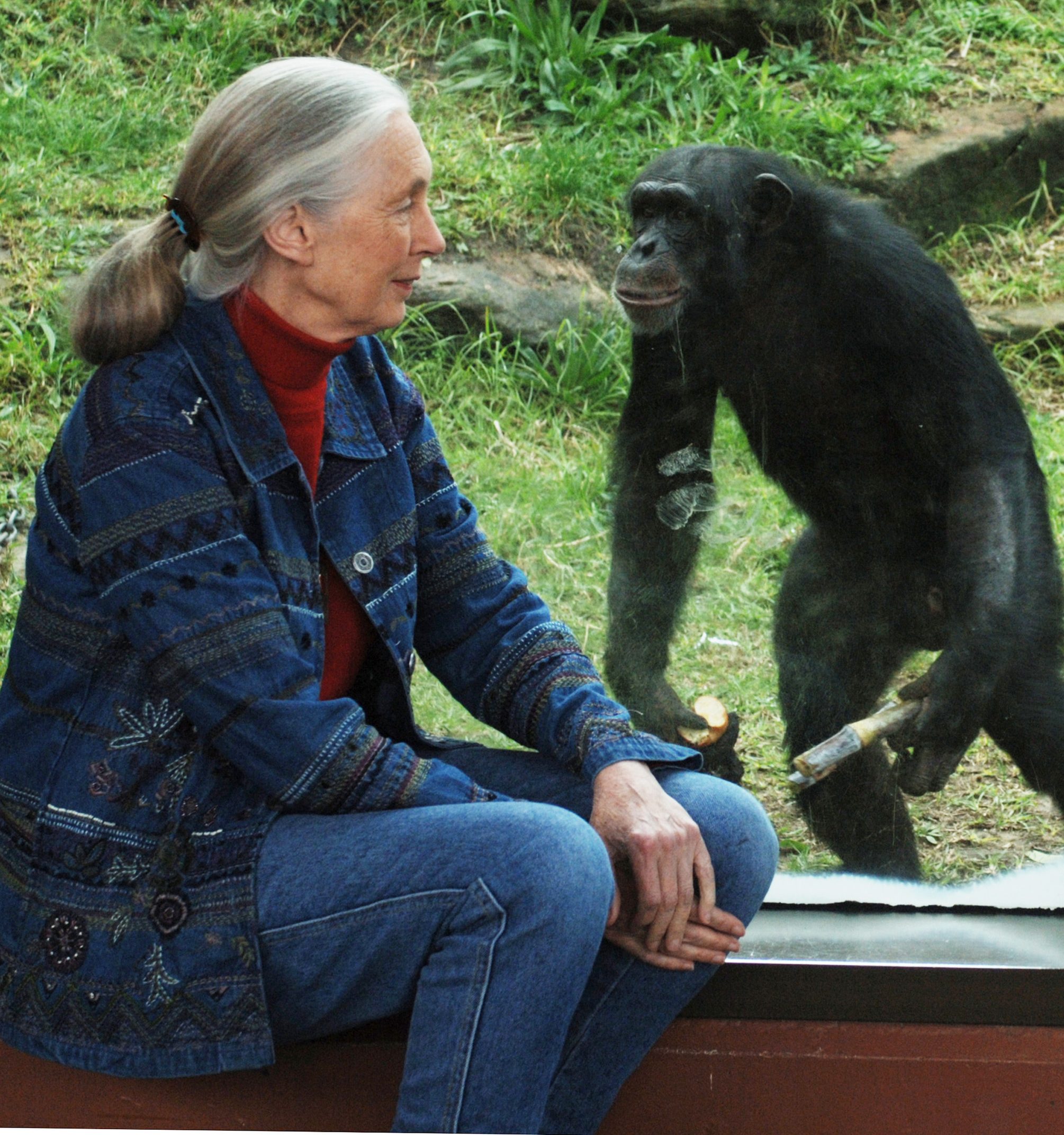
Jane Goodall at Taronga Zoo in 2006, one of her most recent visits to Australia. Photo: AAP
Richard Buzas, primates supervisor at Taronga Zoo on Sydney Harbour, fondly remembered the warmth of the diminutive primatology powerhouse when she visited.
“She really wanted to know our community here,” he said.
“The time when she said ‘if I were to be a chimpanzee in a zoo setting, I’d want to be at Taronga Zoo’.
“Sitting with her and learning from her … was very special.”
Maria Sykes, who leads the Jane Goodall Institute Australia, established in 2007, said Goodall was a transformative figure who left a legacy to be continued by young people.
The institute is among more than 25 around the world bearing the conservationist’s name to further research and efforts in protecting great apes and their habitats.
“She was once in a lifetime, a once-in-a-century leader, a once-in-a-century human, who redefined what we all understand: Animals, people, ourselves, what it means to be man,” Sykes said.
“She believed passionately that our hope lies in empowering a new generation of environmental leaders who might just held in a different future for our planet.”
Goodall established the longest-running wild chimpanzee study in Gombe National Park in Tanzania, which continues to this day.
She adopted an immersive approach to understand their complex social structures and how they mirror humans in their use of tools.
Her findings were circulated to millions when she first appeared on the cover of National Geographic in 1963 and then in a popular documentary that made her a household name.
Taronga Conservation Society chief executive Cam Kerr described Goodall as a pioneer who paved the way for women scientists.
“In the patriarchy of the time, people just wrote her off,” he said.
“But she persisted, provided the evidence like a true scientist, and today we all know that so many animals use tools.”
-with AAP
Want to see more stories from The New Daily in your Google search results?
- Click here to set The New Daily as a preferred source.
- Tick the box next to "The New Daily". That's it.