Tupperware urgently acts to put a lid on losses

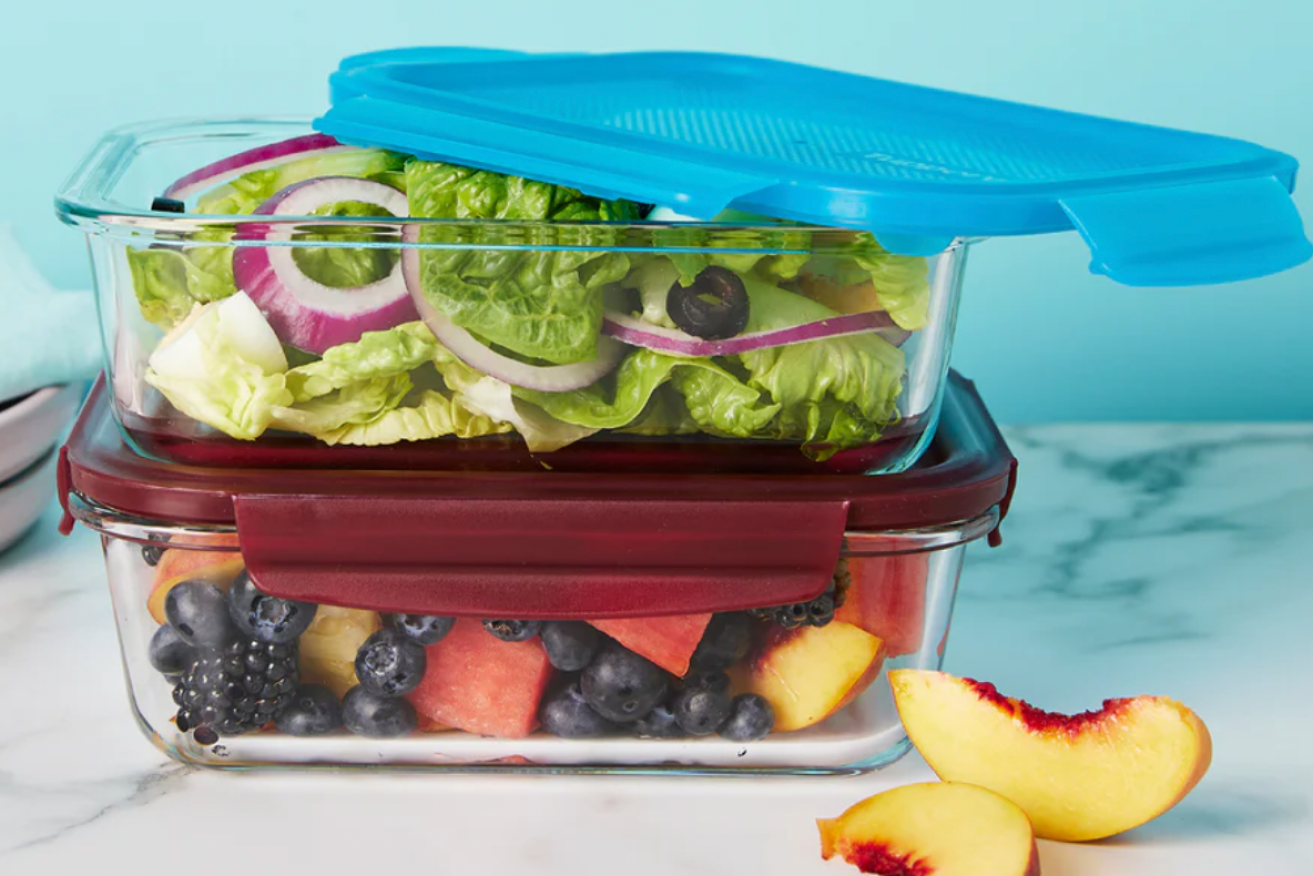
Tupperware is experiencing issues in attracting young customers. Photo: Tupperware Australia
Tupperware, the best-known name in the plastic food container game, is in dire straits.
This week, Tupperware Brands Corporation shares fell nearly 50 per cent, just days after the company revealed it was seeking financial help to improve its capital structure.
Since last year, shares of the company have dropped 90 per cent.
The company is hoping to secure financing and is having discussions with potential investors and financing partners.
Tupperware Brands Corp is also reviewing its real estate portfolio and exploring right-sizing efforts, monetisation of fixed assets, cash management, and marketing and channel optimisation, a press release said.
“Tupperware has embarked on a journey to turn around our operations and today marks a critical step in addressing our capital and liquidity position,” president and CEO of Tupperware Brands, Miguel Fernandez, said.
“The company is doing everything in its power to mitigate the impacts of recent events, and we are taking immediate action to seek additional financing and address our financial position.”
Last week, the New York Stock Exchange gave the company a non-compliance notice for not filing its annual results with the US Securities and Exchange Commission.
What happened?
The brand has been around for more than 70 years, after chemist Earl Tupper found inspiration in a paint can and wanted to create something lightweight and unbreakable.
Initially, the Tupperware products did not sell well. Eventually staff realised that because the product was so innovative, demonstrations were needed so people could understand how they worked.
In the 1950s, Tupperware parties became all the rage and they enabled women to sell the plastic containers directly to their friends.

Tupperware parties were once all the rage. Photo: Hulton Archive/Getty
Tupperware experienced somewhat of a resurgence during the height of the COVID-19 pandemic, the Associated Press reported. Sales were on the rise as people stayed at home and cooked meals.
Retail analyst and managing director at GlobalData Retail, Neil Saunders, told CNN a number of problems are damaging Tupperware.
Issues include a “sharp decline in the number of sellers, [and] a consumer pullback on home products”. He also said the iconic brand doesn’t connect with younger consumers.
“The company used to be a hotbed of innovation with problem-solving kitchen gadgets, but it has really lost its edge,” he said.
There’s no doubt Tupperware revolutionised food storage. However, now there are countless options that are often more affordable.
In 2020, Choice reviewed plastic food storage containers. Two Tupperware options were ranked the highest, one priced at $53 and the other at $31.
But coming in third place was a plastic container that had a Choice expert rating of 82 per cent and it cost just $2.
Targeting the young
In a LinkedIn post from October, Mr Fernandez said the company’s goal with him at the helm was “to build a business as big as our iconic Tupperware brand”.
Although wanting to honour the legacy of the Tupperware parties, he recognised younger people aren’t all that familiar with the company’s direct sales.
To bring in younger consumers, Tupperware started selling its products at Target.
“At Target, brand fans and newcomers alike will find options not only optimised to prevent food waste, but with the expert, timeless design we’re known for,” he said.
“I’m proud to lead a company whose standards have never wavered in a long-lasting legacy; a company synonymous with durability and trust; a company committed to continued reinvention.”