Solar race car on track for Guinness world record
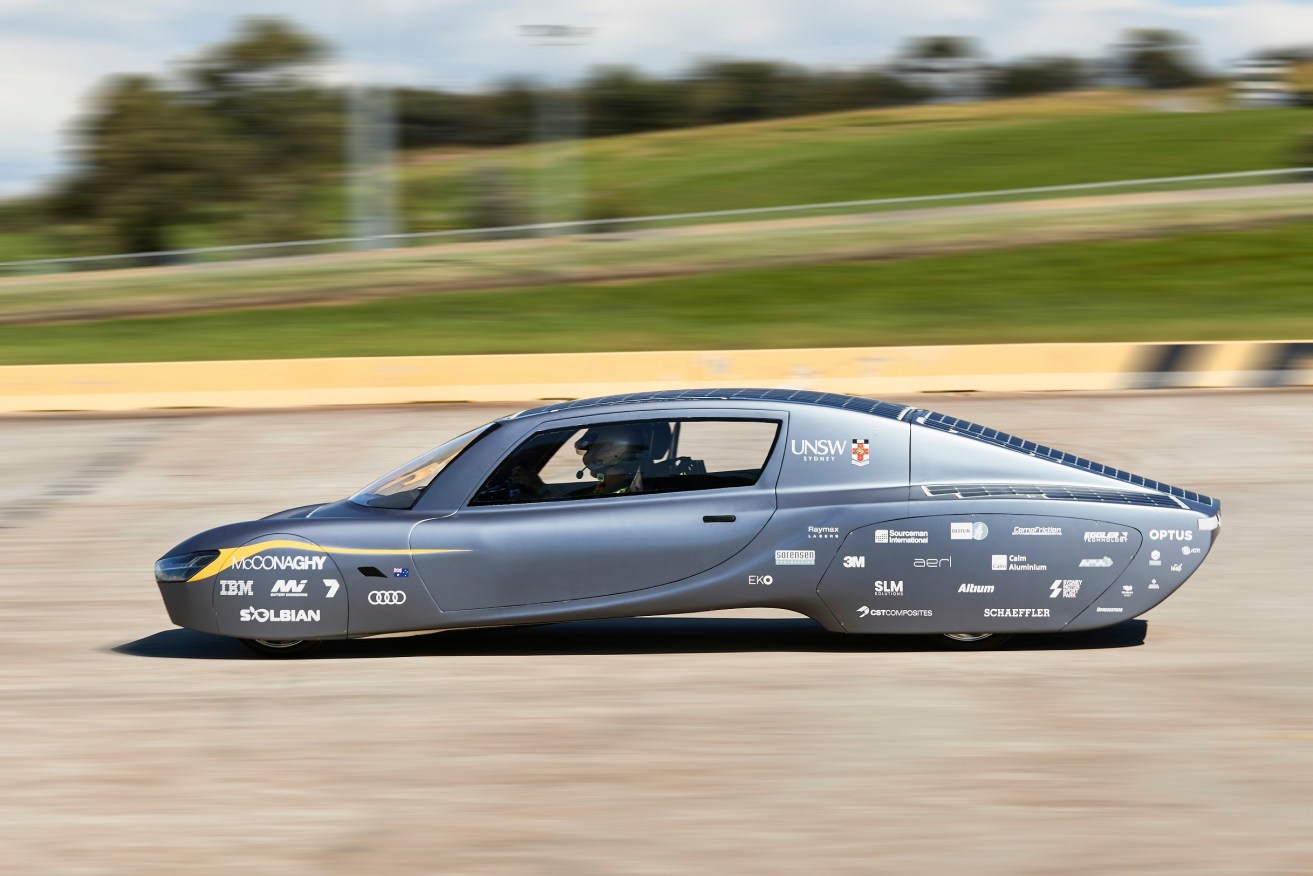
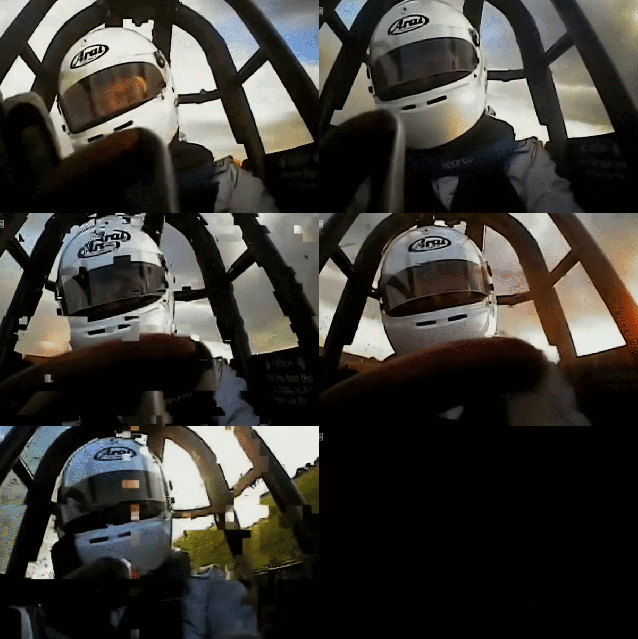
The Sunswift 7 solar-powered electric race car, designed by a team from UNSW Sydney.
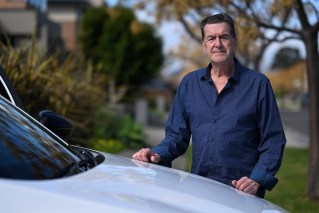
It’s been a while since Formula One veteran Richard Hopkins felt “nervy” about a race.
But the UNSW Sydney professor who once helped Red Bull Racing claim four World Championships is on edge about his trackside appearance this Saturday.
The race car involved will not “consume huge amounts of petrol every lap,” he said, nor will it hit speeds over 140 kilometres an hour.
It could set a new world record, however, and spark interest in solar-powered cars.
“It’s innovating at a much higher level than we’ve ever done before,” he said. “We’re hungry for it.”
Prof Hopkins will lead a team of engineering students and the Sunswift 7 vehicle they designed in a world-record attempt at the Australian Automotive Research Centre in rural Victoria.
It’s hoped the race car, which is powered by a standard electric vehicle battery and 4.5 square metres of solar cells, will set a Guinness World Record for the fastest electric vehicle to travel more than 1000 kilometres on a single charge.
“The Sunswift team has a great history in records, whether they are efficiency or speed records,” he said.
“We want to keep the legacy going. We think this record is raising the bar and demonstrating the technology, the brilliant minds of the students, and being a bit disruptive in Australia.”
The solar race car weighs just 500 kilograms – about one quarter as much as a standard electric vehicle – and does not feature airbags, air conditioning, and even windscreen wipers.
It also boasts a low-profile body with drag coefficient of just .095 for minimal wind resistance, compared to .208 on Tesla’s Model S.
UNSW engineering students originally designed the Sunswift 7 for the biennial Bridgestone World Solar Challenge but, when it was cancelled due to COVID-19 last year, formulated a new plan.
Sunswift team manager Andrea Holden said setting a new world record “would be so exciting and surreal and just validate all the effort we have put in over the past two years to get to this point”.
Following the potentially record-setting race, Prof Hopkins said the team would focus on a potentially larger goal: creating a mainstream solar-powered vehicle.
The project would “follow in the footsteps” of one of UNSW’s biggest World Solar Challenge rivals, Eindhoven University in the Netherlands, that recently launched a solar-powered vehicle it promised owners could “drive for months without charging”.
The Lightyear 0 car features five square metres of solar panels across its bonnet and roof, and entered production in late November. It is priced from $390,000.
Prof Hopkins said the Australian team would seek to replicate its success and present new ideas about electric vehicles to car manufacturers and enthusiasts alike.
“We’re trying to design a car that on a Saturday morning you might think, ‘I’m going to go for a drive,’ which, unless you’re fortunate enough to drive a Porsche or Ferrari you don’t do,” he said.
“We’re trying to design something that is fun and puts a smile on your face.”