Interest rates appear headed for a cut. But that’s about all of the good news

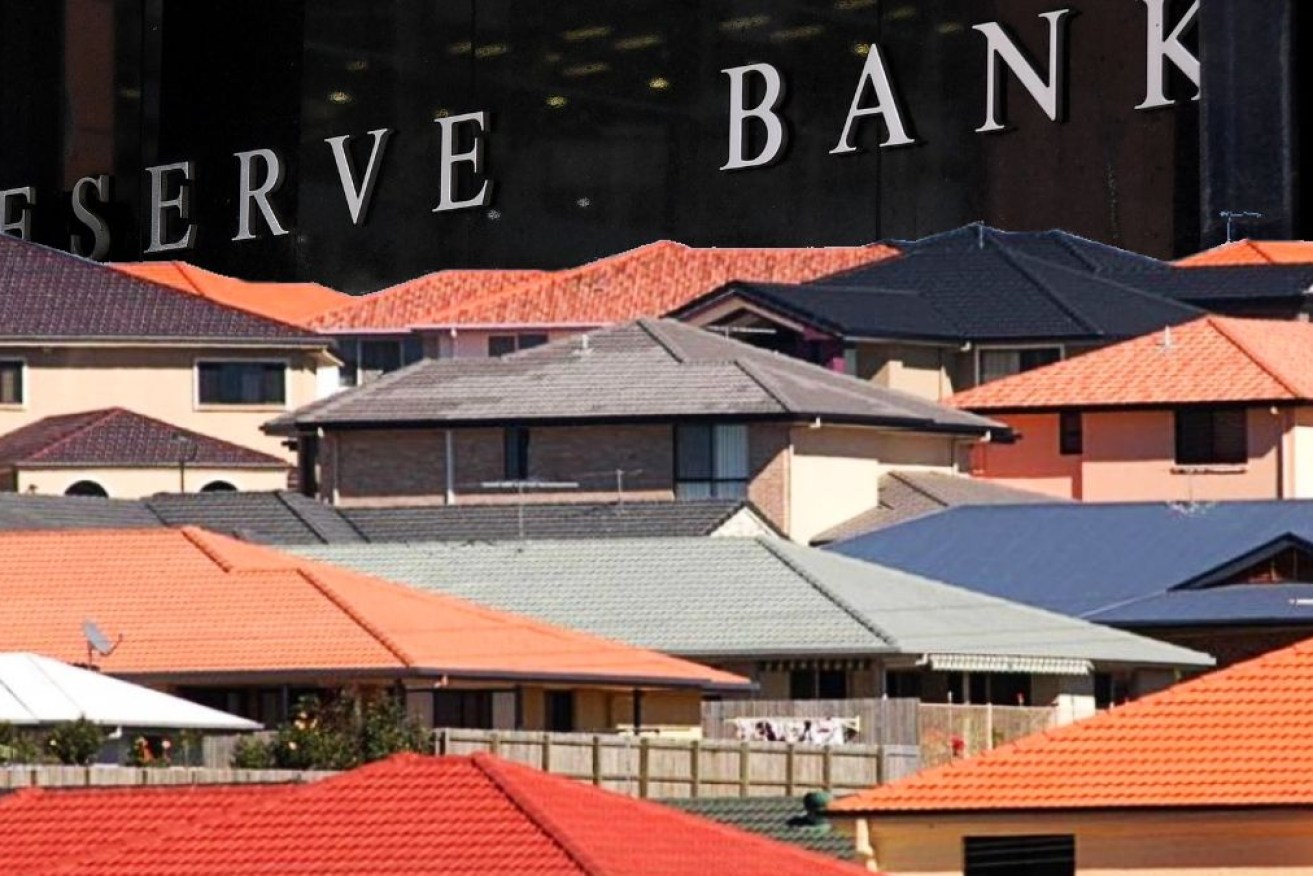
The next move for interest rates appears likely to be down. Unfortunately, that's not necessarily a good sign. Photo: TND
Want some good news? The next interest rate change will probably be a cut.
Almost everything else I have to say is bad news.
Interest rates have gone up three times this year, and just a few weeks ago there were predictions that they would go up even further.
But now the growing consensus, including from economists at three of the big four banks, is that the next move in interest rates will be down.
Why the sudden change?
I have to say that predictions about future interest rates are rarely accurate. Economics is not a hard science, and these predictions are less calculation and more guess-timation.
What’s more, they’re not predicting rates are going to fall immediately. There is almost universal agreement that the Reserve Bank will keep rates on hold when it makes its announcement tomorrow.
What this turnaround really shows is that the economy is not doing well. Interest rate cuts are needed because the economy is in trouble and needs propping up.
The shift has not been because inflation is back in the RBA’s target band of 2-3 per cent. The most recent measure of inflation released last month showed headline inflation had fallen but it was still above 4 per cent.
This inflation is being driven by high fuel prices caused by the closure of the Strait of Hormuz. Higher interest rates will do nothing to fight this kind of inflation. The RBA is impotent in the face of geopolitical unrest.
What has changed is more data showing that economic growth has stalled, consumer sentiment has fallen off a cliff and, importantly for the central bank, unemployment has jumped up to 4.5 per cent. The last time it was this high in Australia was at the end of 2021 during the pandemic.
The RBA was hoping that unemployment would be higher. It has been worried that low unemployment might give workers more power to demand higher wages. This is a higher cost to business, that could then be passed on as higher prices: A phenomenon known as a wage price spiral.
To be clear there has been no sign that wages have been rapidly increasing.
Even the RBA has finally conceded this point, with governor Michele Bullock saying “I’m not concerned about a wage price spiral, no” in Senate estimates earlier this month.
As I said, the driving force for all this economic doom and gloom has been the closure of the Strait of Hormuz. The full impact of this has not flowed through yet. This is because of the enormous stockpiles of oil that are held around the world. But they’re predicted to run out around the end of June. That’s just a few weeks away.
When that happens, as economists say, the price will have to do more of the heavy lifting in limiting demand. Translation: Prices are going to go up to force people to buy less.
A spike in prices will further slow the economy both in Australia and around the world.
So, the real question is when will the Strait open?
We’re long past believing Trump on this. It is unusual if a day goes by when he is not claiming they’re about to strike a deal.
An Australian economist in the US has documented 50 times since the start of the war that Trump has claimed the US is on the cusp of a deal with Iran. To put that in context, the war has been going for 102 days.
So, on average the President has claimed the war is about to end every second day.
By the time you read this, the war might be at an end. As I write, Trump is again claiming he has a deal, and it just needs to be signed.
But even if that happens, the oil market is not going to go back to how it was before the war. Since the early 1980s, Iran has threatened to close the Strait of Hormuz. It wasn’t until this year that it actually did it.
This is important because, up until this year, no one (including the Iranians) knew what would happen if they tried. Now they know, and from the Iranian perspective it has been a spectacular success.
Even if Trump gets a deal, Iran now knows it can cause the US, and the rest of the world, all kinds of pain, very quickly. A deal to open the Strait does not mean it will stay open.
There is real doubt that oil prices will ever get back to the US$70 a barrel they were before the war.
The good news is that interest rates might be coming down next year (or even sooner). The bad news is that this is because the economy is struggling.
This is why they call economics the dismal science.
Matt Grudnoff is senior economist at the Australia Institute
Want to see more stories from The New Daily in your Google search results?
- Click here to set The New Daily as a preferred source.
- Tick the box next to "The New Daily". That's it.
Voters want truth in political ads. Will pollies listen?