Five ways to spot a fake review this Black Friday and Cyber Monday

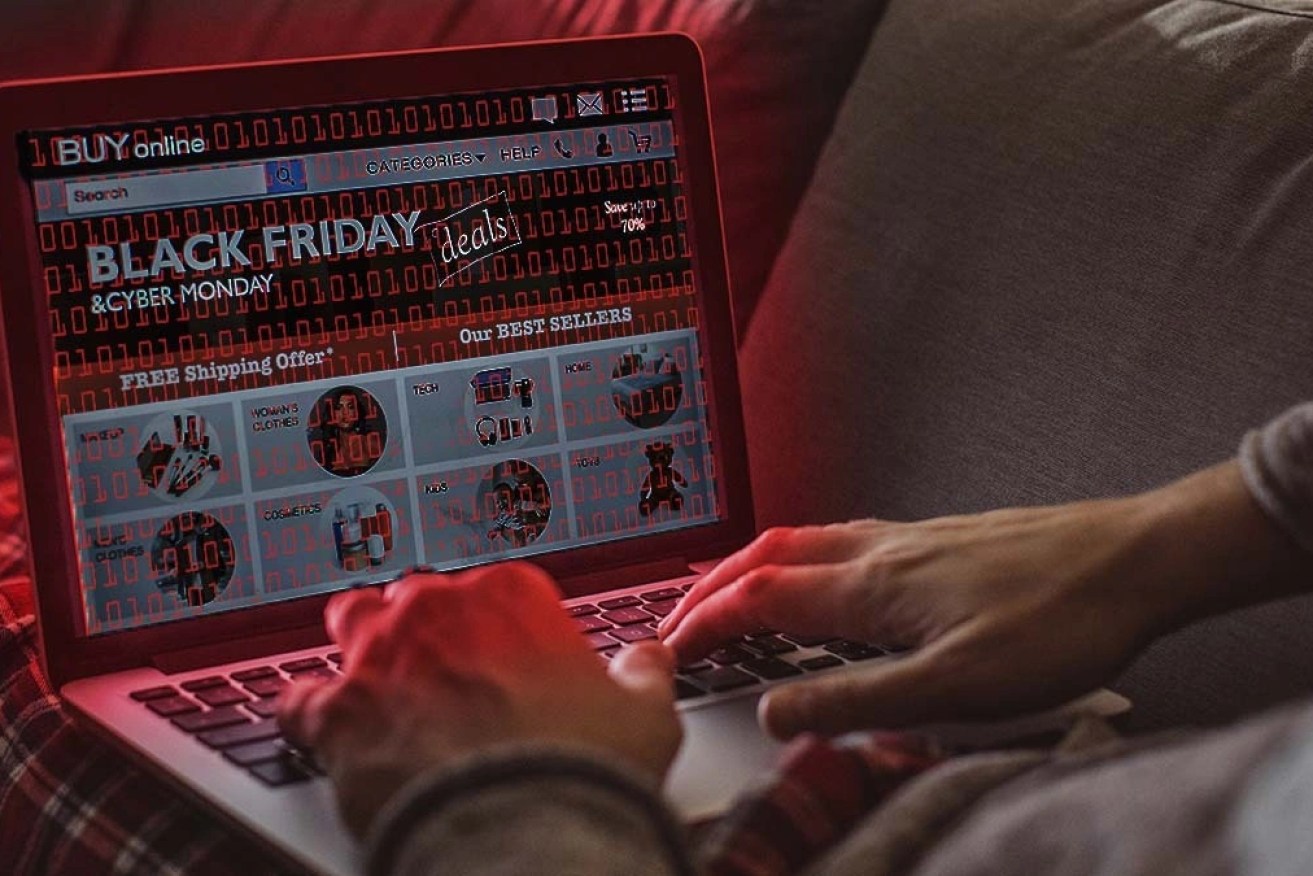
Fake product reviews are on the rise - here's how to spot a fake. Photo: TND/Getty
Australians are being warned to be on the lookout for fake reviews ahead of the Black Friday and Cyber Monday shopping holidays later this month amid a rise in fraudulent customer appraisals.
Consumer body CHOICE says companies are paying people to write favourable reviews about their products online, in addition to offering payments to get negative reviews taken down.
It means Australians can’t necessarily trust the information they’re seeing online, CHOICE’s Marg Rafferty said.
“Fake reviews continue to be a problem for customers looking for genuine feedback on products and services, and they influence millions in sales every year,” Rafferty said.
“Despite platforms investing in tools and systems to detect and remove them, they are a persistent issue.
“We know fake reviews make it difficult to find honest and accurate assessments of potential purchases, so we’ve collated our top tips to help you sort the fakes from the facts.”
The issue is particularly timely now because the Christmas shopping rush is just around the corner, with millions of Australians set to spend their increasingly stretched budgets over the Black Friday and Cyber Monday weekend at the end of November.
Retail experts are predicting cut-throat discounting between retailers as Australians hit hard by the cost of living crisis search out bargains, which could make people particularly vulnerable to dodgy information.
So before you enter your credit card details online, think about CHOICE’s advice for spotting a fake review.
How to spot a fake review
Rafferty says the first thing to look for and be sceptical about in an online product review is whether or not it seems “over-the-top”.
“Reviews with excessive praise or exaggeration may indicate that real customers haven’t written them,” she said.
“We recommend you approach these reviews with healthy scepticism and remember that if it sounds too good to be true – it probably is”
Secondly, think about how much detail the reviewer has offered about the product; does it seem like they have a specific experience, or are they relying on generic language?
“One-word or generic reviews like ‘amazing’ or ‘will buy again’ may be genuine, but the fact they don’t mention the reviewer’s experience of the product is often suspicious,” Rafferty said.
“Genuine reviews will likely cover product details such as performance or quality.”
Another tell-tale sign of a fake review is that there are no negative reviews on the product in the spread offered on Google, Amazon or other shopping platforms.
AI’s fingerprints
It’s unlikely no one has had a negative experience or opinion about a specific product, so the absence of a negative review suggests the information has been doctored or is largely fake.
“Businesses may delete negative feedback or offer inducements to their customers to change their review to a more positive one,” Rafferty said.
“We also found evidence of sellers recruiting people to write positive reviews in exchange for goods. No product is perfect for everyone and reviews should usually reflect that.”
Also think about the timing of the reviews posted; are they spread out over a long period of time or were they all posted in a short window? If it’s the latter it suggests the reviews are a fake.
“Whether they’re good or bad, a sudden spike in reviews over a short period can be a sign they aren’t genuine,” Rafferty said.
Lastly, repetitive language is another giveawawy that the review you’re reading is a fake, because it could mean that a human hasn’t written it and generative AI like ChatGPT could be involved.
“Real people write from experience and naturally use different phrases, whereas bots or paid reviewers are likely to copy and paste,” Rafferty said.