Tricks and traps rife as shoppers seek to bag a bargain in EOFY sales


Choice says 'it pays to shop with one eyebrow raised'. Photo: Pexels
The saying “if it sounds too good to be true, it probably is” has never been more timely as consumers navigate a minefield of misleading pricing tactics, EOFY sales traps and online shopping scams.
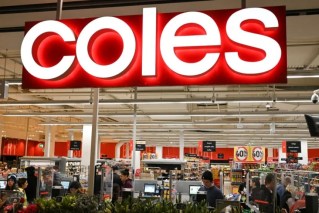
Electronics retailer JB Hi-Fi is the latest company to be criticised by the national consumer watchdog over confusing price claims, just a month after supermarket giant Coles was found to have misled customers with its “Down Down” discounts.
The Australian Competition and Consumer Commission revealed on Thursday that it had monitored JB Hi-Fi’s online product pricing over several months last year.
It alleged the retailer misled shoppers with the pricing of 17 products – including laptops and a gaming monitor – which were promoted as discounted, but in some cases had never been for sale at the higher “was” price or only for a short time.
The confusing pricing claims were blamed on “system errors or human error”, with the company now refunding more than $250,000 to around 200 affected customers.
In revealing the investigation outcome, the ACCC warned scammers may take advantage of its news release to contact consumers and falsely offer to help them get compensation.
“Scammers will create a sense of urgency,” it said, urging people to contact the retailer direct before providing any personal information.
“Don’t rush to act. Don’t click on links even if the message appears to come from JB Hi-Fi. Say ‘no’, hang up, delete.”
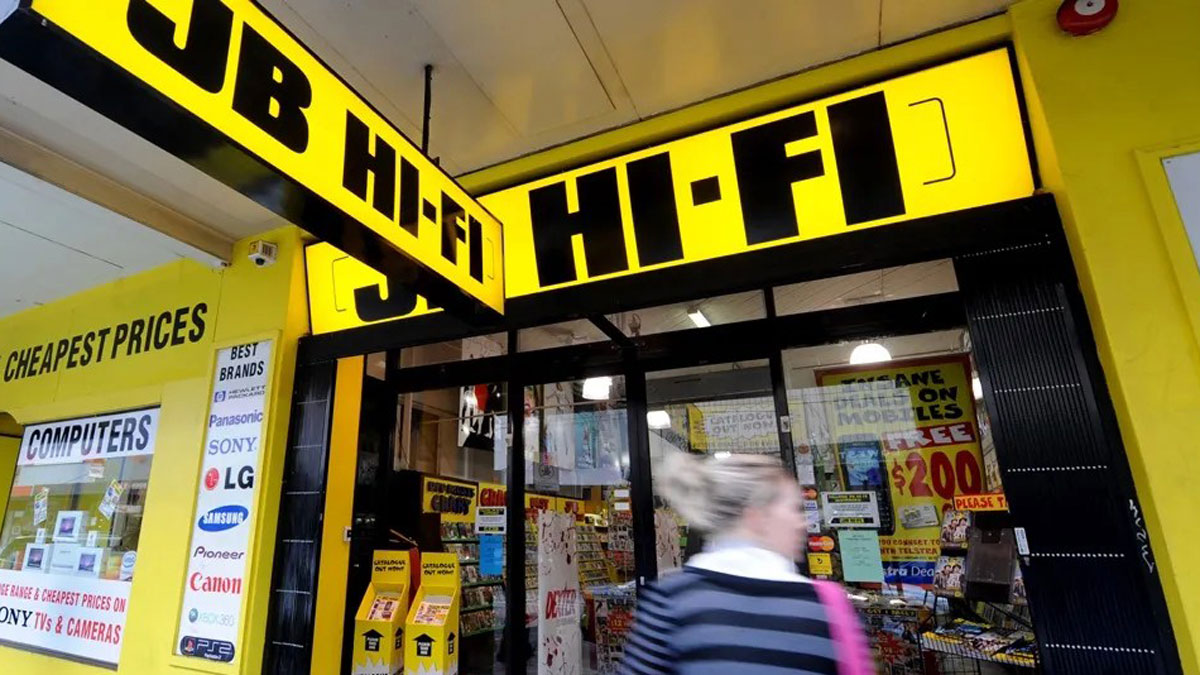
JB HiFi has taken steps to avoid future pricing issues, the ACCC says. Photo: AAP
Unlike the Coles case, which the ACCC took to the Federal Court and which could end up costing the supermarket millions in fines, the watchdog is not taking any further action against JB Hi-Fi.
However, it is continuing to investigate several Australian retailers for potentially misleading claims made during last year’s Black Friday sales, when about half of the 50 outlets reviewed were found to have made “concerning” claims in their advertising.
The sweep took in retailers from a range of sectors, including homewares, clothing, sport and leisure, and accessories. Alongside questionable price comparisons, it also looked for other deceptive sales tactics such as:
- Countdown clocks that show a shorter period than the actual sale.
- Fine-print disclaimers.
- Sales advertised as “store-wide” when not all items were discounted.
- “Up to X% off” discounts that applied to only a few items.
“We are concerned that retailers appear to be increasingly relying on tactics that manipulate consumers by creating a false sense of urgency that they will miss out on a discount if they don’t buy the product now,” ACCC deputy chair Catriona Lowe said recently.
She added that this “fear of missing out” could stop people from shopping around to ensure they were getting the best deal available.
Lowe’s comments have been echoed by consumer group Choice, which this week warned that the end of the financial year sees many retailers using tricks designed to get shoppers to spend more – including “fake urgency”.
“Retailer messaging like ‘must buy, sale ends soon!’ or ‘only 2 left in stock’ are designed to create pressure and get you to panic buy,” said Choice editorial director Mark Serrels.
“Remember, the EOFY is just one sales period; last year, we saw sales extended into July, so it’s better to take time to do research to ensure you’re grabbing a good bargain.”

Retail sales often run for longer than you might think. Photo: Pexels
Choice said that while there were some genuine bargains in EOFY sales, “it pays to shop with one eyebrow raised”.
In addition to fake urgency, it warned that other potential traps include:
Discounted duds
This is where retailers discount old or unwanted stock, including unpopular items, to improve their fiscal position and make room for shiny new stock.
“We’ve seen numerous products that performed poorly in our tests having big discounts during the sales,” Serrels said. “Remember, just because a product is advertised at a discounted price, it doesn’t mean it’s necessarily a good deal.”
Extended warranties
This “added protection” is frequently offered by salespeople, especially for electronics or whitegoods, but according to Serrels, it often means you end up paying more for safeguards already provided by Australia’s consumer laws.
Fake shopping sites
Scammers are becoming increasingly adept at creating fake sites that look deceptively similar to those of popular retailers, selling everything from clothing and phones, to toys and gym equipment. Choice advises that warning signs include unusual URLs, poor spelling and “massive discounts”.
The ACCC’s ScamWatch website has further tips on fake shopping site red flags, including: No contact page or information; multiple dashes or symbols in the domain name, domains for Australian businesses that don’t end in .com or .com.au, and domain that imitates a business, such as Ap9le.
Source: ACCC
Delaying the inevitable
Another potential trap to be wary of during the EOFY sales is the “buy now, pay later” (BNPL) concept, which has been found to significantly increase impulse buying.
While services offered by the likes of Afterpay or PayPal’s Pay in 4 offer an enticing way to bag a bargain now without having to pay the full price until later, experts warn it can result in people spending more than they can afford. And a missed payment may come with hefty fees.
“People hear ‘no interest’ and assume there’s no cost,” financial counsellor Steffany Woolford told South Australian website The Post this week.
“But on a small purchase, a late fee can work out at an annualised rate that makes credit cards look generous.”
Want to see more stories from The New Daily in your Google search results?
- Click here to set The New Daily as a preferred source.
- Tick the box next to "The New Daily". That's it.